









Shop by Category
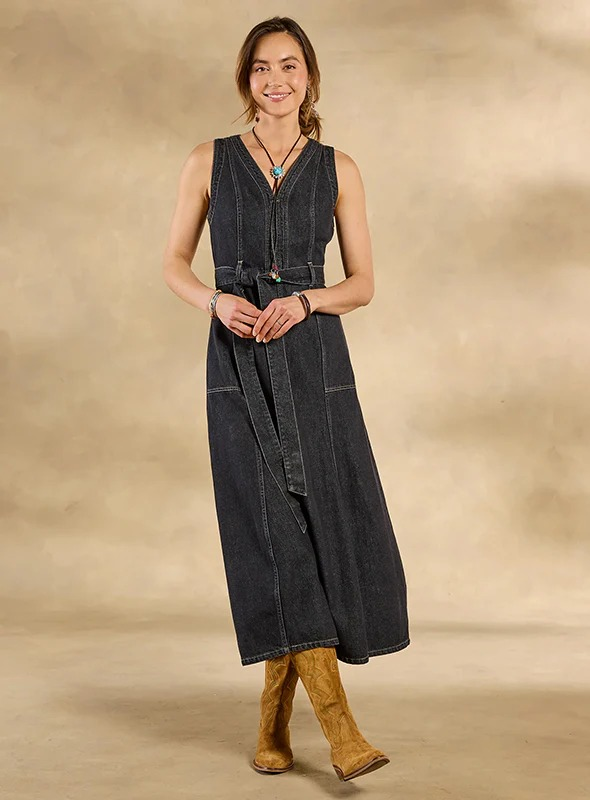
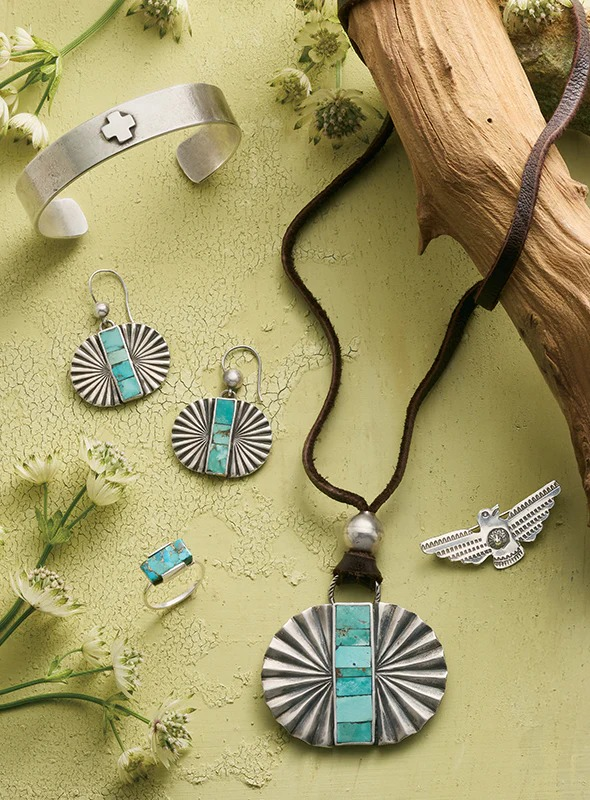
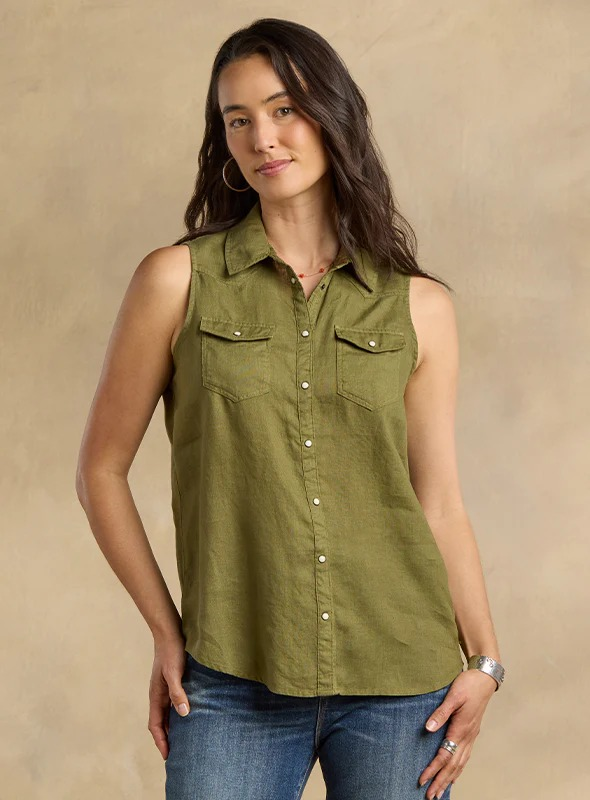
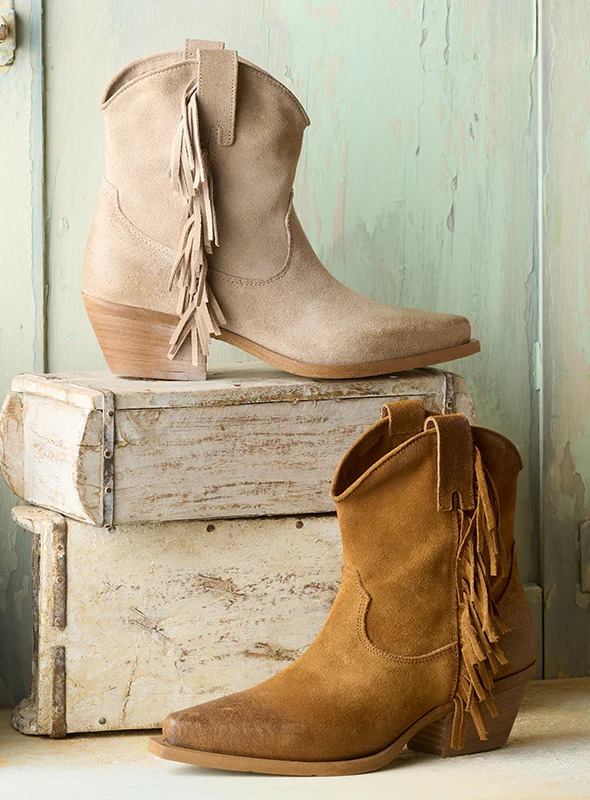
Navigating the Transitions of Seasonal Wardrobes.
As the seasons shift, so does the way we approach our daily attire. The challenge lies in maintaining a sense of style while adapting to changing temperatures and environments. Mastering the art of layering is the secret to a functional yet fashionable wardrobe that works year-round.
Spring and Summer: Lightness and Breathability
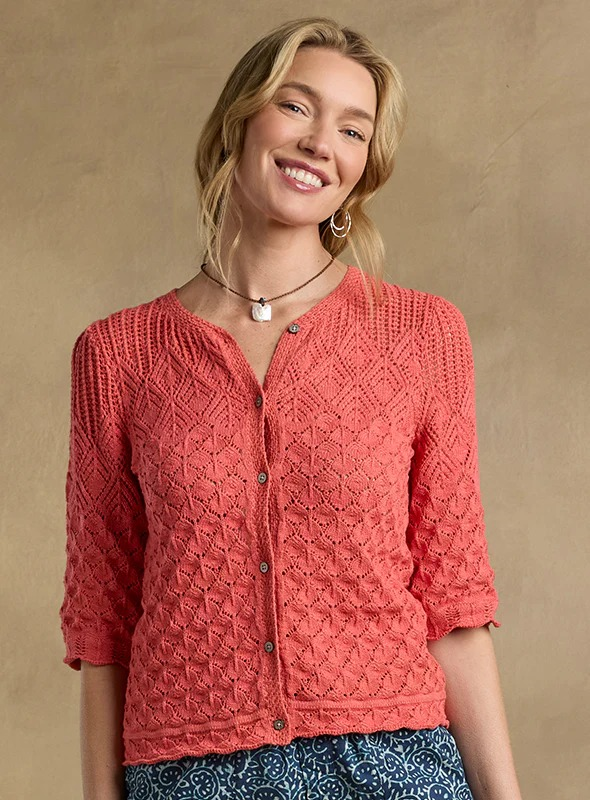
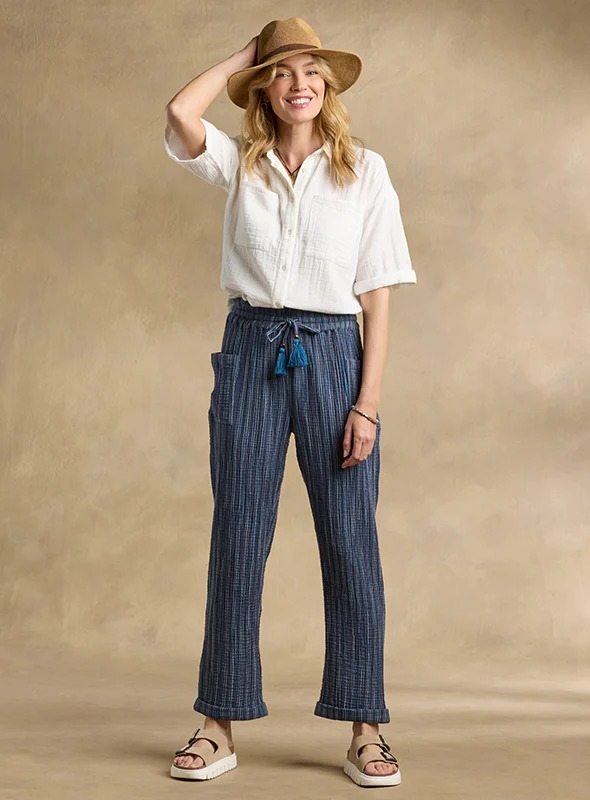
When the sun begins to stay out longer, the focus shifts toward fabrics that breathe. Lightweight materials like linen and fine cotton become essential. During these months, the silhouette tends to become looser and more relaxed. Wide-leg trousers and breezy tunics allow for airflow while maintaining a chic appearance. Accessories also play a crucial role; a wide-brimmed hat or a sheer scarf can provide protection from the elements while adding a layer of sophistication.
Autumn and Winter: The Mastery of Layering
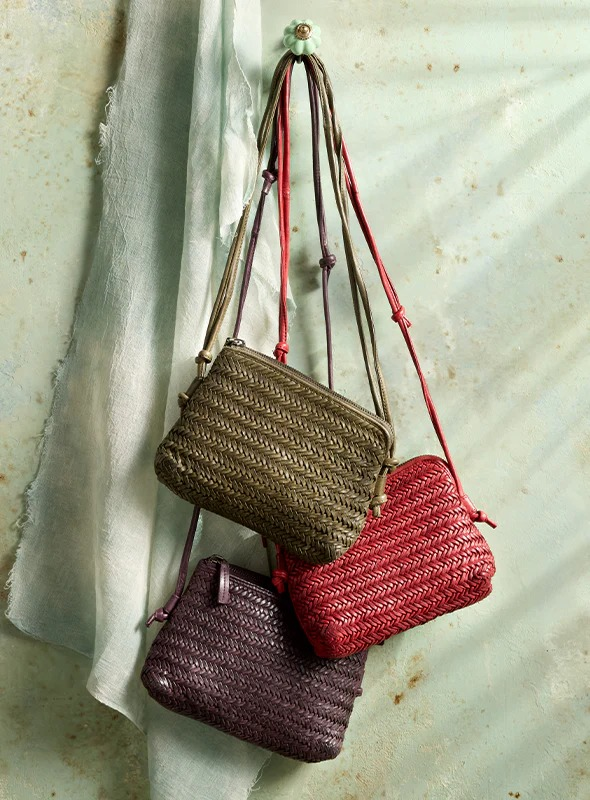
As the air turns crisp, the complexity of an outfit increases. Layering is not just about staying warm; it is about creating a visual narrative. A typical ensemble might begin with a lightweight turtleneck, followed by a structured vest, and topped with a heavy overcoat. This “three-piece” rule ensures that even if you remove a layer indoors, the outfit remains complete. Richer tones like deep burgundy, forest green, and mustard yellow mirror the natural landscape, creating a harmonious look.
The Role of Footwear and Outerwear
Outerwear is the first thing people notice during the colder months, making it the most important investment of the season. A long wool coat provides a streamlined silhouette, while a quilted jacket offers a more casual, utilitarian vibe. Footwear completes the story. Transitioning from open-toed sandals to leather boots changes the entire energy of an outfit, moving from the playfulness of summer to the groundedness of winter.